
What is Saffron ?
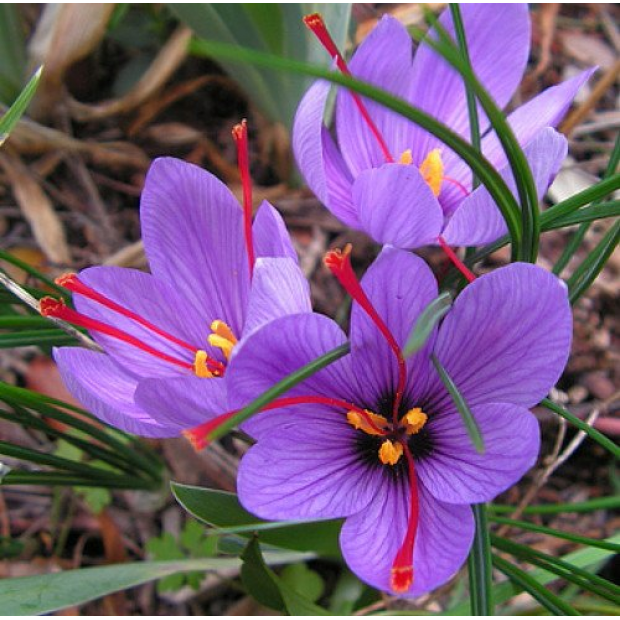
Saffron is a spice obtained from the dried red stigmas of the Crocus sativus flower, a member of the iris family, Iridaceae.
Saffron is valued for its distinctive aroma, flavor, and natural coloring properties. Because each flower produces only a small number of stigmas, saffron requires careful harvesting and processing.
Saffron Around the World
Saffron has traditionally been cultivated in several regions, including Kashmir in India, Iran, Spain, Afghanistan, Greece, and other parts of the Mediterranean and Central Asia.
Kashmiri saffron has a long history of cultivation and culinary use, particularly in the Pampore region of Kashmir.
Culinary Uses
Saffron is used in many cuisines around the world. It is commonly added to rice dishes, biryani, desserts, milk, tea, beverages, and other traditional and contemporary recipes.
Its distinctive aroma, flavor, and natural color allow a small quantity to make a noticeable contribution to a dish.
Culinary Secrets
How to Unlock the Full Flavor and Color of Saffron Threads
To get the absolute maximum value and flavor out of your saffron threads, proper activation is key. Simply tossing dry threads directly into a dish prevents the delicate essential oils and pigments from fully dispersing throughout your recipe.
- The Grinding Method: For dry baking or spice blends, gently crush a pinch of saffron threads using a small mortar and pestle until it becomes a fine powder.
- The Liquid Steep (Infusion): Steep your crushed saffron or whole threads in a small amount of warm liquid—such as water, milk, or rose water—for at least 15 to 20 minutes before cooking. The liquid will turn a brilliant golden color, infusing the flavor deep into the solvent.
- Timing Matters: Add your saffron infusion near the beginning of cooking for stews and broths to allow the flavors to marry, or midway through for rice dishes like paella and biryani so the fragrance remains vibrant and fresh on the palate.
Why Is Saffron Valuable?
Saffron is labor-intensive to harvest. Each Crocus sativus flower produces only a few usable stigmas, which are carefully collected and dried.
This combination of careful harvesting, limited yield, and the distinctive qualities of saffron contributes to its value.